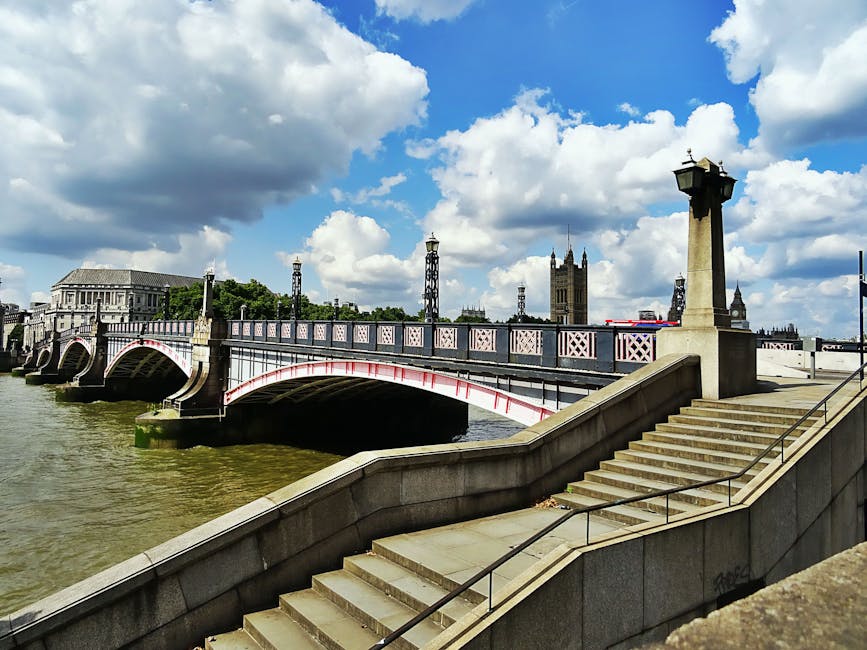
Putney Bridge Moving Access and Removals Advice
If you are planning a move near Putney Bridge, the tricky part is often not the packing itself. It is the access. Narrow streets, parking pressure, bridge traffic, awkward building entrances, and a tight moving schedule can turn a simple job into a small headache very quickly. Good Putney Bridge moving access and removals advice helps you avoid that. It saves time, reduces stress, and makes the move feel much more under control.
Whether you are moving out of a riverside flat, relocating a family home, or arranging a business move nearby, the same principle applies: plan the access first, then the removals. That order matters. In this guide, you will find practical steps, local moving considerations, common mistakes to avoid, and a simple checklist you can actually use. No fluff, just the stuff that makes moving day smoother.
- Why Putney Bridge moving access and removals advice matters
- How it works
- Key benefits and practical advantages
- Who this is for and when it makes sense
- Step-by-step guidance
- Expert tips for better results
- Common mistakes to avoid
- Tools, resources and recommendations
- Law, compliance, standards, or best practice
- Options, methods, or comparison table
- Case study or real-world example
- Practical checklist
- Conclusion
- Frequently asked questions
Why Putney Bridge moving access and removals advice Matters
Putney Bridge is a busy part of London, and that changes how removals need to be handled. Even if your actual destination is only a short distance away, the route and access at both ends can have a big effect on how long the move takes and how smoothly it goes. A van that cannot stop close enough to the entrance, a lift that is too small for a sofa, or a road that is congested at the wrong time can all create avoidable delays.
In removals, access means more than "can the vehicle get there?" It includes whether the team can park safely, carry items without too many stairs, protect hallways, and load in a way that keeps everything secure. Around Putney Bridge, those details often decide whether the move feels calm or chaotic.
There is also the simple money side. Poor access can add labour time, waiting time, and sometimes extra vehicle movements. To be fair, that is the bit many people only realise after the fact. A little planning upfront usually beats scrambling on the day.
If you are comparing services, it is worth checking how the company approaches planning, safety, and move preparation. Pages such as removal services, choosing the right removal company, and pricing and quotes can help you understand what should be included before you book.
Expert summary: The best moving day near Putney Bridge is the one that has already been planned around access, parking, lift use, carry distance, and timing. Get those right, and the rest becomes much easier.
How Putney Bridge moving access and removals advice Works
The process is straightforward, but each stage matters. Good access advice starts before the van arrives and continues until the last item is in place. In practice, it usually works like this:
- Assess the property access. Check entrances, stairs, lift size, corridor width, and any awkward turns.
- Check parking and stopping points. Think about where a van or lorry can safely stop without creating problems.
- Match the vehicle to the job. A smaller vehicle may be better on tighter streets, while a larger moving truck might suit a fuller house move.
- Plan the carry route. Measure the walking distance from the vehicle to the door. Ten extra metres can matter more than people expect.
- Prepare the items. Dismantle furniture where needed, protect fragile pieces, and pack heavier boxes sensibly.
- Schedule for the least difficult window. If possible, avoid the worst traffic periods and any known access pinch points.
That is the core idea. It sounds obvious, but removals often go wrong when people focus on boxes and forget the building itself. I have seen jobs where the van was fine, the crew was ready, and the only problem was a last-minute parking mismatch. Small detail, big disruption.
For larger domestic moves, home moves and house removals often benefit from a full access check. For lighter loads, a man with van or man and van service may be enough, provided the route and parking are workable. The right approach depends on what you are moving, not just how much there is.
Key Benefits and Practical Advantages
When access planning is done well, the benefits are immediate. Some are obvious, some less so.
- Less waiting around. The crew can get straight to work rather than hunting for a place to stop.
- Lower risk of damage. Fewer awkward carries mean fewer knocks on walls, railings, and furniture.
- Better time control. A realistic plan helps the day stay on schedule, even if traffic is a bit irritating.
- Safer handling. Clear access reduces manual handling strain and reduces the chance of rushed lifting.
- More accurate quotes. The more detail you give, the less likely you are to face surprise adjustments later.
There is also a quieter benefit: confidence. When you know the access has been thought through, you stop second-guessing every part of the move. That matters more than people admit. Moving is tiring enough without a constant background hum of "what if we forgot something?"
For business moves, the access advantage can be even stronger. Office equipment, records, and desks tend to be time-sensitive, and a smoother approach helps keep disruption down. If you are moving a workspace near Putney Bridge, office removals and office relocation services are worth considering alongside general planning.
Who This Is For and When It Makes Sense
This advice is useful for anyone moving in or around Putney Bridge, but it is especially relevant in a few situations.
Riverside flats and apartment buildings
Flats often bring the biggest access questions: lifts, stairwells, entry fobs, loading bays, and shared spaces. If you are on an upper floor, the carry route becomes a major factor.
Family homes on busy streets
On busier roads, parking can be the sticking point. Even if the house itself is straightforward, the van may not be able to stop as close as you would like. That makes planning the load sequence important.
Small businesses and offices
Office moves need timing, discipline, and a clear view of access. If staff are still working nearby or if reception areas are shared, you need the move to be neat and well coordinated. No one wants a corridor full of filing cabinets at 9am. That is just a bad day waiting to happen.
People with bulky or delicate items
Sofas, wardrobes, pianos, glass tables, and IT equipment all need extra care. Access planning helps decide whether items should be dismantled, wrapped, or carried a different way.
If you are not sure whether your move is simple enough for a smaller vehicle or needs a more structured setup, pages like movers, moving van, and moving truck can help frame the choice. There is no prize for overcomplicating it, by the way. The best fit is the one that matches the property and the load.
Step-by-Step Guidance
Here is a practical way to plan a move near Putney Bridge without losing your mind halfway through the week.
- Walk the route from the property to the vehicle. Look for narrow corners, steps, uneven ground, low railings, and anything that could slow the carry.
- Check parking and stopping conditions. Note where a van can wait, whether unloading is realistic, and whether there is space for the crew to work safely.
- Measure access points. If you have a sofa, fridge, wardrobe, or desk, compare item dimensions with doorways and stair turns.
- Decide what needs dismantling. Bed frames, shelves, and larger furniture often move better in pieces. Less drama, fewer scuffs.
- Label items clearly. Good labels reduce searching, reduce confusion, and make unloading much smoother.
- Protect floors and walls where needed. This is especially useful in communal areas and older buildings.
- Confirm arrival timing. Build in a bit of flexibility for traffic. London has a way of being London.
- Keep essentials separate. Documents, chargers, keys, kettle, medicines, and a change of clothes should not disappear into the back of the van.
For larger household moves, house movers and house removalists are often a good fit because they can handle the lifting, packing flow, and access logistics together. If packing is the part you dread most, packing and unpacking services can take some weight off your shoulders. Literally and mentally.
Expert Tips for Better Results
These are the little things that make a move feel professionally handled rather than merely managed.
- Book the right vehicle size, not the biggest one. Bigger is not always better if access is tight.
- Tell the team about anything awkward upfront. A steep path, a broken lift, or a gated entrance can change the plan entirely.
- Photograph difficult access points. A quick image of the entrance or stairwell can explain far more than a long phone call.
- Keep bulky items near the exit before moving day. Just not in the way of the actual walking route.
- Use a loading order. Heavy, awkward items should usually go first, with fragile items protected and stacked sensibly.
- Have a backup plan for parking. If the closest space is occupied, know your next best option.
One small but useful habit is to do an "end-of-day check" the night before. Stand at the front door, look at the route, and imagine carrying a sofa through it. Sounds slightly odd, maybe, but it works. If something looks tight at 10pm, it will still look tight at 8am.
If you are comparing options, remember that man with a van works well for smaller, quicker jobs, while removals is a broader choice for larger household or business moves. For local short-distance work, removals near me can be a useful starting point when you want a nearby team familiar with the area.
Common Mistakes to Avoid
Most moving problems are not dramatic. They are ordinary oversights that snowball. That is the annoying part.
- Assuming access will sort itself out. It usually does not.
- Giving vague parking information. "There should be space" is not a plan.
- Forgetting about building rules. Some blocks have booking windows, lift reservations, or loading restrictions.
- Booking the wrong vehicle type. A small van may require too many trips; a large one may not fit the route.
- Leaving all packing to moving day. That creates rush, and rush creates mistakes.
- Not checking what needs dismantling. A wardrobe that will not fit through the hall is not a surprise you want at the last minute.
Another common issue is underestimating the amount of carrying involved. A move can look "near enough" on a map and still be hard work because of steps, corners, or building layout. The map does not feel the stairs, after all.
If you are arranging a commercial move, a quick look at commercial moves can help you think in terms of access, timing, and operational disruption rather than just boxes and furniture.
Tools, Resources and Recommendations
You do not need a truckload of specialist equipment to plan well. A few basic tools and a sensible checklist go a long way.
- Tape measure: useful for doorways, furniture, lifts, and stair turns.
- Phone camera: ideal for recording tricky entrances, parking spots, or access constraints.
- Sticky labels or markers: helps with room-by-room organisation.
- Furniture blankets and wrap: protect awkward items and reduce minor bumps.
- Box cutter and screwdriver set: handy for quick dismantling on the day.
- Floor protection: sensible for communal entrances or polished surfaces.
From a service-planning angle, it also helps to review the company's wider information pages. For example, insurance and safety, health and safety policy, and recycling and sustainability can give you a better feel for how the business operates.
If you are still weighing up cost and payment details, the pages on payment and security and terms and conditions are sensible places to check before you confirm anything. It is not the exciting bit, granted, but it does save awkward conversations later.
Law, Compliance, Standards, or Best Practice
For removals near Putney Bridge, the main compliance considerations are usually practical rather than highly technical. You are generally looking at safe loading, sensible parking, building access rules, insurance cover, and good manual handling practice. If a move involves shared entrances, lifts, or public space, it is best practice to keep the route clear and avoid blocking access for others longer than necessary.
UK moving jobs also tend to rely on common-sense standards: accurate information, careful handling, proper vehicle loading, and clear communication. That is especially true in London, where a small access mistake can ripple outward into traffic problems, neighbour complaints, or damage to building common areas.
For business customers, it is worth asking how the mover handles responsibility if something goes wrong, what their complaint process looks like, and what security measures they use for payment and customer data. Relevant information pages include complaints procedure, privacy policy, and accessibility statement.
One more practical note: if a property has special access requirements, tell the mover early. That is not being difficult. That is being sensible. And sensible wins on moving day.
Options, Methods, or Comparison Table
Not every move near Putney Bridge needs the same setup. The right method depends on volume, access, timing, and how much support you want from the team.
| Option | Best for | Access fit | What to watch for |
|---|---|---|---|
| Man and van | Smaller flats, light furniture, quick local moves | Good on tighter streets and shorter carry distances | May need extra trips if the load is larger than expected |
| Full removals team | Family homes, larger inventories, more fragile items | Better when planning, packing, and loading all matter | Usually needs clearer access details in advance |
| Moving van with assistance | Medium-sized moves with some heavy lifting | Useful when access is manageable but not ideal | Check vehicle size against the street and driveway access |
| Office relocation service | Business moves, desks, filing, IT equipment | Best when timing and building access need coordination | Schedule around staff, reception areas, and building rules |
If you are undecided, a quick conversation with a team that offers removal company support can help you choose the simplest route. Truth be told, "simple" is often the smartest moving strategy.
Case Study or Real-World Example
Here is a realistic example. A couple moving from a second-floor flat near Putney Bridge had a sofa, dining table, and a few large boxes of books. On paper, it looked like a modest job. But the building had a small lift, a narrow entrance, and no easy parking directly outside.
Rather than treating it as a standard pickup, they mapped the route first. They checked the lift size, identified the best stopping point for the van, and had the large furniture partially dismantled before the team arrived. They also kept a small parking buffer in mind, because a busy afternoon on that side of London can shift quickly.
The result was a much smoother move. Not perfect, because moves rarely are, but controlled. No frantic carrying, no last-minute wrestling with the sofa in a hallway, and no confusing pile-up at the door. That is the difference access planning makes. It turns the day into a sequence, not a scramble.
For anyone in a similar position, services like house removals or man and van removals can be useful depending on the amount of support needed. If you also need help with unwanted items, furniture pick up may be a sensible add-on.
Practical Checklist
Use this as a final pre-move check. It is simple on purpose.
- Confirm building access, keys, fobs, and booking times.
- Measure doorways, lifts, stair turns, and any tight corners.
- Identify the nearest safe parking or stopping point.
- Tell the removals team about stairs, narrow entrances, or shared spaces.
- Decide which furniture needs dismantling.
- Pack heavy boxes sensibly and keep fragile items protected.
- Reserve essentials for easy access on the day.
- Check insurance, payment details, and terms before you book.
- Share any timing constraints or building rules early.
- Keep a backup plan for parking or loading if conditions change.
And if you want to compare a few service types before choosing, it can help to review removals van, removal van, and removal truck hire so you can match the vehicle to the access rather than guessing.
Conclusion
Putney Bridge moving access and removals advice is really about one thing: reducing friction before it starts. If you plan the route, check the access, match the vehicle, and communicate clearly, your move becomes far easier to manage. That is true whether you are moving a flat, a family home, or a workplace.
The best advice is usually the least glamorous advice. Measure first. Ask questions. Be honest about stairs, parking, and awkward corners. Then choose a removals setup that fits the real conditions, not the ideal ones. That is how you avoid stress, save time, and protect your belongings.
Get a free quote today and see how much you can save.
If you are close to making a decision, a well-planned move near Putney Bridge can be one of those rare life tasks that ends with a proper sigh of relief. The kettle goes on, the boxes settle, and the hard bit is behind you. Lovely, really.
Frequently Asked Questions
What is the most important part of moving access planning near Putney Bridge?
The most important part is understanding how the vehicle, the building, and the carry route work together. Parking and stopping points matter, but so do lifts, stairs, and the distance from the van to the front door.
Should I tell the removals company about stairs and lifts in advance?
Yes. Always. Even one extra flight of stairs or a small lift can change how long the move takes and what vehicle or crew size is most suitable.
Is a man and van service enough for a move near Putney Bridge?
It can be, especially for smaller flats, light furniture, or local moves. If you have more items, awkward access, or heavier furniture, a fuller removals service may be the better fit.
How do I know if my furniture will fit through the doorway?
Measure the widest parts of the item and compare them with the doorway, hall corners, and any stair turns. If something looks tight, dismantling it before the move is usually the safer choice.
What should I do if parking is difficult near my property?
Check the nearest safe stopping points and have a backup option in mind. Share those details with the removals team so they can plan the loading order and arrival time properly.
Do I need packing help for a move around Putney Bridge?
Not always, but it is useful if you are short on time or have fragile, awkward, or valuable items. Packing and unpacking services can take a lot of pressure off the day.
How far in advance should I arrange removals?
As early as you can, especially if your move involves building access, parking constraints, or a busy moving date. Early planning gives you more flexibility with timing and vehicle choice.
Are office moves near Putney Bridge handled differently from home moves?
Usually yes. Office moves often need tighter timing, more coordination, and extra care around IT equipment, desks, and shared access areas.
What if the lift is too small for my sofa?
That is a common issue. The sofa may need to be dismantled, carried through stairs, or moved using a different route. It is far better to identify that before moving day than during it.
Should I compare quotes based only on price?
No. Price matters, of course, but access planning, insurance, vehicle suitability, and communication quality matter too. The cheapest quote is not always the best value if it leaves out the work your move really needs.
Can access problems increase the cost of a move?
They can, because awkward access may require more time, more labour, or a different vehicle. Accurate information upfront helps reduce the chance of unexpected costs.
What paperwork or policy details should I look at before booking?
It is sensible to review the company's terms, privacy policy, payment security, insurance information, and complaints procedure. That gives you a clearer picture of how they work and what support you can expect.