SW15 Street by Street Removals Guide for Putney
Moving in Putney can feel straightforward on paper, and then suddenly you're dealing with a narrow road, a basement flat, a timed parking bay, and a sofa that looks one inch too wide for the stairwell. That's exactly why a SW15 street by street removals guide for Putney matters. The local streets around Putney are varied, and the difference between a smooth move and a stressful one often comes down to planning for the exact road, property type, and access conditions you'll face on the day.
This guide is built for real-life moving decisions. It explains how Putney's streets affect removals, what to prepare before the van arrives, which service options make sense in different situations, and how to avoid the usual headaches. If you're moving from a top-floor flat, a family house, or even a small office, you'll find practical advice here that is grounded, local, and useful. And yes, a bit of calm planning does go a long way.
Why SW15 street by street removals guide for Putney Matters
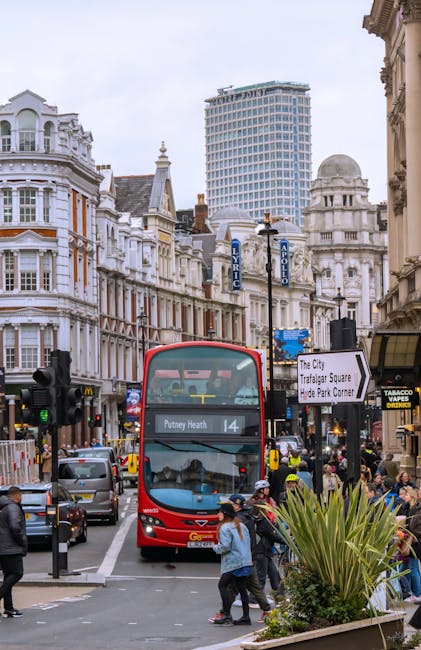
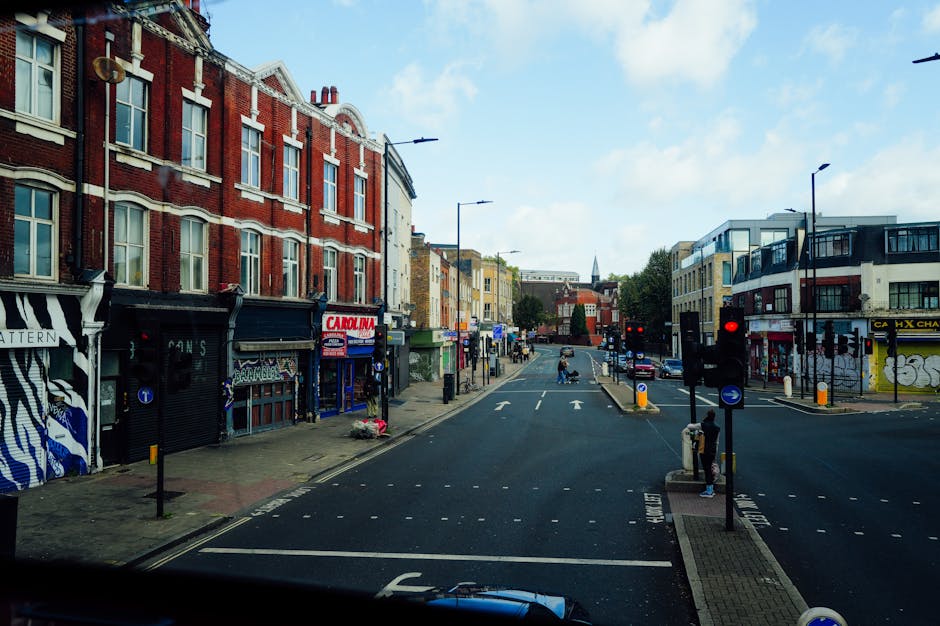
Putney is one of those London areas where the neighbourhood feel changes street by street. Some roads are lined with larger houses and simpler loading access; others are tighter, busier, or much more awkward for a removal van to stop safely. If you're moving within SW15, those differences affect timings, labour, parking, packing strategy, and the type of removal support you actually need.
Street-by-street planning matters because removals are mostly about access, not just distance. A move from one address to another half a mile away can still be more complex than a cross-city move if one property has shared stairs, a difficult entrance, or limited parking. In Putney, that is not unusual. You will often see a mix of period properties, mansion blocks, flats above shops, converted homes, and family terraces, all with very different moving realities.
There's also the local rhythm of the area. Morning traffic, school runs, weekend matches, and the everyday flow around the high street can all change how a move unfolds. Let's face it: even a well-packed house doesn't help much if the van is circling for ten minutes looking for a place to stop.
For people also thinking about buying or selling in the area, it can help to read about local property context too, such as buying real estate in Putney or property sales in Putney. Those pages give a useful sense of how local homes differ, which often feeds directly into moving logistics.
How SW15 street by street removals guide for Putney Works
A street-by-street removals approach means you don't plan a move as if every Putney road is the same. Instead, you break the job down by location, access, and property type. The goal is to match the removal method to the street conditions, not the other way around.
In practice, that usually involves three layers of planning:
- Street access: Can a van stop nearby? Is there safe loading space? Is the road narrow, one-way, or busy at certain times?
- Property access: Are there stairs, lifts, basements, shared entrances, or long internal carries?
- Move size: Is this a few rooms, a family house, student move, flat move, or a larger office relocation?
Once you understand those layers, the rest becomes easier. For example, a small flat move on a harder-to-access street might be better handled with a flexible man and van service in Putney, while a larger household move may need a more structured team through house removals in Putney. If there's fragile furniture involved, especially bulky wardrobes or dining pieces, it's worth looking at furniture removals in Putney as part of the planning conversation.
The best removals teams will ask about the street, not just the postcode. That's a good sign. It means they're thinking about real-world access, not just ticking off a booking form. And honestly, that question alone can save a lot of faff on moving day.
Key Benefits and Practical Advantages
A local, street-aware removals plan delivers benefits that are easy to underestimate until you've actually moved.
- Less wasted time: The team can arrive with a realistic loading plan, which cuts delays.
- Lower risk of damage: Fewer awkward carries and fewer rushed manoeuvres in tight spaces.
- Better vehicle choice: A compact van, medium van, or full removals vehicle can be matched to the job properly.
- More accurate quotes: Access details help avoid surprise costs later.
- Less stress on the day: Everyone knows where items are going and how they'll get there.
There's also a quieter benefit: confidence. When you know the move has been thought through street by street, the day feels less chaotic. You still may have boxes in weird places and a kettle you can't find for two hours, but the big moving problems are far less likely to show up.
If you are comparing service styles, it can also help to understand the differences between removals in Putney, removal services in Putney, and a smaller flexible option like man with a van in Putney. Each one has a place. The right choice depends on scale, access, and how much help you want.
Who This Is For and When It Makes Sense
This guide is useful for a wide range of movers, but it's especially helpful if your move has any of these features:
- You live on a narrow or busy SW15 street
- You are moving in or out of a flat with stairs
- You have limited parking near the property
- You're moving bulky or delicate items
- You need a same-day or short-notice move
- You're combining storage with the move
- You're moving an office or home with a lot of equipment
Students often need this kind of planning more than they expect. Student lets can be deceptively simple until everyone is moving out on the same weekend and lift space is busy. A good student removals Putney setup can save a lot of hassle, especially when furniture has to come down several floors quickly but carefully.
Flat movers also benefit hugely from street-level thinking. A move that looks tiny on a spreadsheet can still be difficult if the flat is up three flights and the road is awkward for parking. In those cases, flat removals in Putney are usually easier when planned around the actual street, not just the property description.
Office relocations are another matter entirely. Even a small office move can become messy if equipment, files, and furniture need to be carried from a tight commercial street during working hours. For that kind of job, office removals in Putney are often best handled with a plan built around access windows, loading time, and business continuity.
Step-by-Step Guidance
1. Walk the route before moving day
If you can, walk from the front door to the street and note any awkward points: steps, shared gates, tight hallways, kerbs, or places where a van might not stop cleanly. This sounds obvious, but people miss it all the time. Then they're surprised when a sofa won't turn the corner. Tricky little corner, that one.
2. Measure large items properly
Measure wardrobes, beds, mirrors, tables, and anything awkward to rotate. Write down the height, width, and depth. Also measure the doors and stair gaps. Not just roughly. Properly. A removal team can work with a lot, but they can't shrink a bookcase by optimism alone.
3. Decide on the right vehicle and team size
For a small move on a difficult street, a nimble vehicle may be better than a large one. For a larger house with multiple rooms, you may need a bigger team and a more structured booking. This is where a removal van in Putney can be the practical middle ground, especially for medium-sized moves.
4. Sort parking and access details early
Check where the vehicle can stop, whether there are restrictions, and how close the loading point is to the door. If the street is tight, communicate it clearly. Even small details matter: a resident bay, a dropped kerb, a school gate nearby, or a corner that blocks turning space.
5. Pack by room and by priority
Pack the essentials separately and label clearly. The first night box matters more than people think: kettle, mugs, chargers, toiletries, medication, simple tools, and a bit of bedding. It's the difference between a frantic evening and a tolerable one.
6. Build in a buffer
Putney traffic and access delays can make timelines wobble. Leave space in the schedule. If the move is complex, build in extra time for loading, walking items to the van, and any stairs. A move that feels "just about fine" on paper usually isn't, so a buffer helps.
7. Confirm special-item handling
If you have a piano, artwork, antique furniture, or unusually heavy items, say so early. Special items need different handling and sometimes different equipment. For delicate instruments, piano removals in Putney are a sensible specialist option rather than a hopeful gamble.
8. Think about what happens after the move
It's easy to focus only on getting out. But what about storage, recycling, or items you don't want to keep? Many moves run more smoothly when there's a plan for overflow items. If you need extra space, storage in Putney can take pressure off the day.
Expert Tips for Better Results
Here are the bits that tend to make the biggest difference in SW15 moves.
- Be specific about the street conditions. "Easy access" means different things to different people. Say whether the van can stop outside, nearby, or not at all.
- Protect the first 10 minutes. That's when delays often start, usually because keys, parking, or access instructions aren't ready.
- Keep a clear corridor. A hallway full of coat stands, shoes, and boxes slows everything down.
- Label anything fragile on more than one side. During a move, boxes get turned. People do it without thinking.
- Have one person in charge. Too many instructions from too many people just creates noise.
- Choose packaging with the move in mind. Good materials matter more than fancy labels. If you need help preparing, packing and boxes in Putney is worth exploring.
One small but valuable habit: keep keys, contracts, phone chargers, and essential documents together in a single bag you carry yourself. Not in the van. Not in a box that disappears under bedding. In your bag. Simple, and somehow still easy to forget.
Another useful tip is to think about how the move will be loaded, not just unloaded. The order matters. Heavy and solid items first, fragile and awkward items later, and everyday essentials last so they come off quickly at the other end. Basic stuff, really, but it saves a mess.
Common Mistakes to Avoid
Most moving problems are boringly predictable. That's good news, because predictable problems can usually be avoided.
- Booking without checking access. A quote without access details is only half a quote.
- Underestimating staircases. Flats in Putney often look manageable until you're actually lifting furniture round a bend.
- Leaving packing too late. Last-minute packing creates damage risk and slows the team down.
- Not decluttering first. Moving things you don't want is just paying to transport clutter.
- Forgetting parking logistics. A van that can't stop nearby changes the whole move.
- Ignoring insurance and safety. It's wise to ask what cover and procedures are in place, especially for valuable items.
Another common issue is assuming every removal company offers the same level of support. They don't. Some are better for small loads, some for full-house moves, and some for urgent jobs. If you need something fast and flexible, same day removals in Putney may be the right fit, but only if the access situation is clear from the start.
And a gentle reminder: if you're moving on a Friday evening or around a busy local event, plan for friction. Putney doesn't pause just because you're carrying a mattress downstairs.
Tools, Resources and Recommendations
You don't need a giant toolkit to move well, but a few practical tools make life easier.
- Measuring tape for doors, furniture, and stair widths
- Marker pens for box labels
- Strong tape and spare tape rolls
- Blanket wraps or furniture covers
- Phone notes for inventory and access instructions
- Zip bags for screws, fixings, and brackets
- Basic tool kit for beds, shelves, and appliances
In terms of services, the most helpful pages to review are usually the ones that match your moving style. For a broad overview, services overview is a sensible starting point. If you want a fuller picture of what's available, the general removal companies in Putney page can help you understand the service range without overcommitting too early.
For people comparing value and payment approach, it's also worth reading about pricing and quotes and payment and security. Those details sound admin-heavy, but they're part of a safe, trustworthy move. The same goes for knowing how the company handles insurance and safety.
Law, Compliance, Standards, or Best Practice
For most residents, the compliance side of moving is less about complicated law and more about sensible UK best practice. That said, it still matters.
If a van needs to stop on a street with restrictions, the move should be planned in a way that respects parking rules, access limits, and local road safety. Your removal provider should also work with clear handling procedures for lifts, stairs, heavy goods, and protected items. That isn't just polite; it reduces the risk of damage and injury.
You should also expect straightforward business practices around terms, complaints, privacy, and safety. If you want to check the company's policies, pages such as terms and conditions, complaints procedure, privacy policy, and health and safety policy are relevant. They help set expectations in plain English.
If recycling or disposal is part of the move, ask how unwanted items are handled. A responsible moving plan should avoid unnecessary waste where possible. You can also read about recycling and sustainability if that matters to you, which it often does these days.
For accessibility-related questions, it is reasonable to ask how a move is adapted for people with mobility needs, larger items, or difficult building access. A provider that explains this clearly usually has thought it through properly, which is reassuring. Quietly reassuring, but still.
Options, Methods, or Comparison Table
| Move type | Best for | Strengths | Watch-outs |
|---|---|---|---|
| Man and van | Small to medium moves, lighter loads, flexible access | Good for tighter streets, often more adaptable, suitable for quick local jobs | May be less suitable for large homes or bulky multi-room moves |
| Full house removals | Family homes, larger furniture sets, multi-room relocations | More structured, better for bigger loads, usually more hands on deck | Needs accurate access and timing info to work well |
| Flat removals | Flats, conversions, maisonettes, upstairs properties | Designed around stairs, lifts, and shared access points | Parking and stair carrying can add time if not planned well |
| Same-day removals | Urgent moves, unexpected schedule changes, short notice | Fast response, useful in stressful situations | Less margin for error; access details must be precise |
| Storage-supported move | Staged moves, downsizing, decluttering, gap between dates | Reduces pressure on move day and gives breathing room | Requires an extra planning step, which is easy to delay |
This table is not about "best" in the abstract. It's about fit. A couple moving out of a second-floor flat on a busy road will have very different needs from a family house move on a quieter street. The right method makes the day feel manageable.
For anyone unsure which direction to take, comparing man and van against house removals is often the simplest starting point. From there, you can narrow it down based on the street, volume, and level of help needed.
Case Study or Real-World Example
Here's a realistic Putney scenario. A couple moves from a first-floor flat near a busier SW15 road to a small house a few streets away. On paper, it looks simple: short distance, not much furniture, one van, done by lunchtime. In practice, the flat has narrow stairs, the street allows only short stopping space, and one wardrobe needs partial dismantling before it can leave the bedroom.
The move goes better once they plan for the street itself rather than the postcode. They confirm where the van can stop, label boxes by room, move the most awkward furniture first, and keep the essentials bag separate. The result? Not a perfect move - those don't really exist - but a calm one. No frantic searching for keys, no last-minute panic about the mattress, and no argument over who packed the kettle. Small victories.
What made the biggest difference wasn't speed. It was clarity. The team knew the access points, the couple knew what had to be dismantled, and the van was the right size for the road. That's the kind of planning a street-by-street approach is built for.
Practical Checklist
Use this as a last-minute reality check before moving day.
- Confirm the exact pickup and drop-off addresses
- Check street access and parking near both properties
- Measure large furniture and key doorways
- Label boxes by room and priority
- Pack essentials separately for the first night
- Tell the removals team about stairs, lifts, or narrow entrances
- Set aside tools, documents, chargers, and valuables
- Decide whether you need storage support
- Ask about insurance, safety, and handling for fragile items
- Review the quote carefully before confirming
- Keep contact details and arrival times handy
- Do a final walk-through for cupboards, lofts, and under-bed spaces
Expert summary: If there's one thing to remember, it's this: Putney moves are easier when you plan for the street first and the boxes second. That simple shift in thinking saves time, money, and a good deal of stress.
Conclusion
A strong SW15 removals plan is not just about getting items from A to B. It's about understanding the local road, the property type, the access points, and the moving method that fits the situation. Putney rewards that kind of attention. Streets differ, buildings differ, and the best move is the one that respects those differences from the start.
If you take anything from this guide, let it be this: measure properly, describe access honestly, choose the right level of help, and keep your essentials close. That alone will make a move feel much more under control. And in a busy London area, calm is worth quite a lot.
Get a free quote today and see how much you can save.
For a friendly next step, you can also learn more about the team on the about us page or get in touch through contact when you're ready to talk through the move.
Frequently Asked Questions
What does a street by street removals guide actually mean?
It means planning your move around the specific road, parking, access, and property conditions at both addresses, rather than treating all Putney moves the same.
Why is SW15 different from other London areas for removals?
SW15 includes a mix of flats, terraces, houses, and busy local streets, so access can vary quite a lot from one road to the next. That variation affects timings and vehicle choice.
Should I choose a man and van or a full removals service?
It depends on the size of the move and the access. A smaller flat move may suit a man and van, while a larger family home is usually better handled by a full removals team.
Do I need storage if I'm moving within Putney?
Not always, but storage helps if your dates do not line up, you are decluttering, or you want to move in stages.
How early should I book a Putney removal?
As early as possible, especially if the move involves difficult access, a weekend date, or a larger property. Short-notice options can work, but flexibility is tighter.
What information should I give the removals team?
Share the exact street, parking details, stairs or lift access, size of the move, special items, and any time restrictions. The more precise you are, the better the plan.
Can a removal company help with fragile or bulky furniture?
Yes, but tell them in advance. Large wardrobes, mirrors, and delicate items often need a slightly different approach and sometimes specialist handling.
What is the biggest mistake people make when moving in Putney?
Underestimating access. A move can look easy until a van cannot park nearby or a sofa gets stuck on a staircase. That is the classic one.
Is same-day removals a realistic option in SW15?
Sometimes, yes. It depends on the load size, access conditions, and availability. It works best when the move is relatively straightforward and the details are clear.
How do I avoid damage on moving day?
Pack well, label clearly, measure large items, and make sure walkways are clear. Also, keep fragile items separate and tell the movers about anything awkward in advance.
Are office removals handled differently from house moves?
Yes. Office moves often need tighter scheduling, careful handling of equipment, and planning around business hours and access to the building.
Where can I learn more about moving services in Putney?
The most useful starting points are the services overview and the relevant pages for your move type, such as flat removals or house removals.